Flexographic vs Offset Printing for Packaging
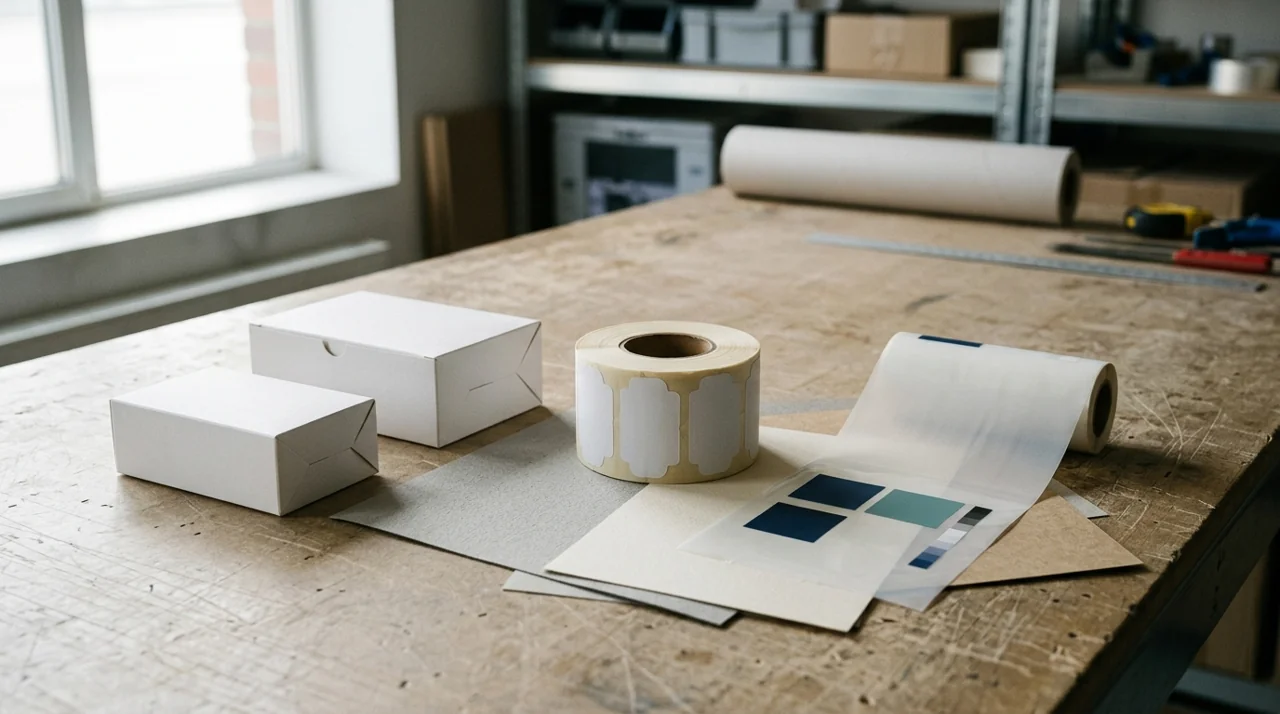
Compare flexo and offset for the same packaging job: ink transfer, substrate, artwork, finishing, setup, waste and the cost of accepted finished packs.
Topic
Offset, flexo and digital printing, inks, registration and print quality.
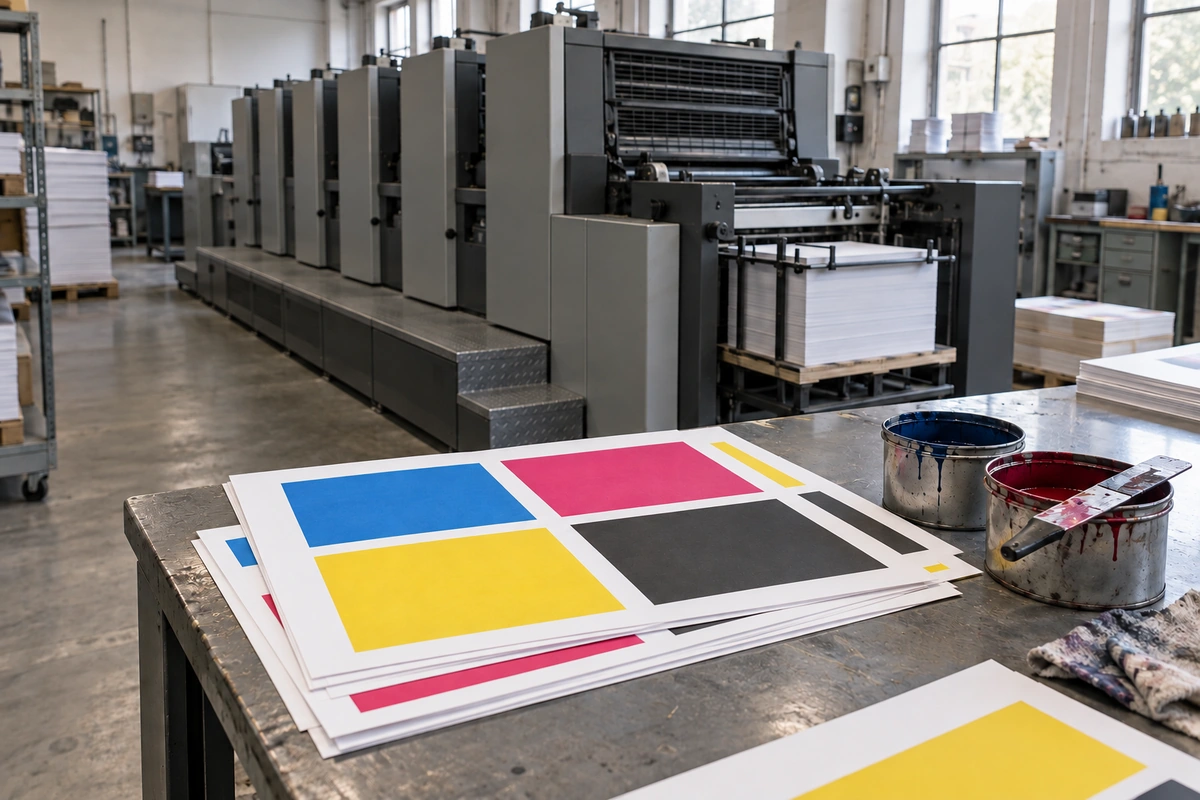
A print job can look right as a flat sheet and put important artwork across a carton fold. For packaging printing, choose the material and finished pack structure before approving the print process and artwork.
This section maps offset lithography, flexography, gravure and digital printing for buyers, designers and production staff. It covers process families, prepress, color and finishing checks; individual press settings and equipment specifications belong in job-specific technical documents.
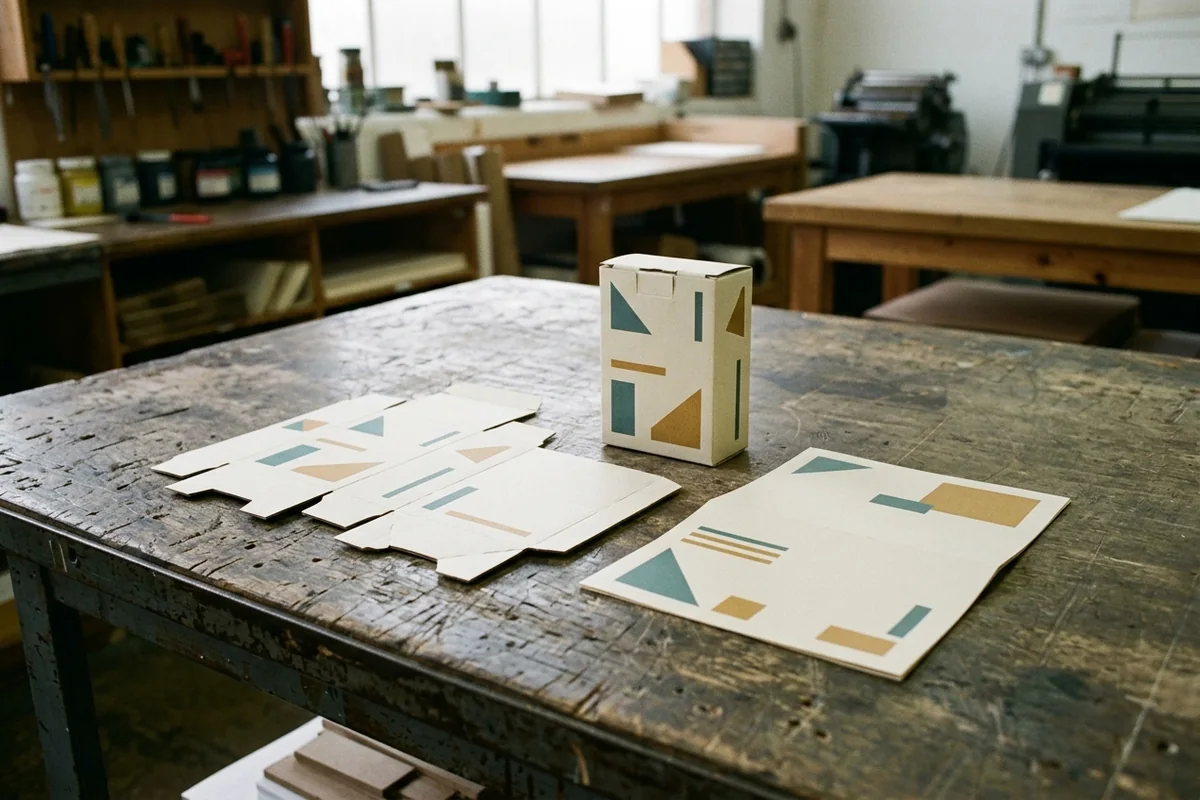
Commercial work includes printed pieces such as leaflets and direct-mail inserts. Packaging printing adds artwork to a pack or label whose final shape must also be considered. The same process family can serve both kinds of work; a carton is not a printing process, and a digital file does not mean the job will run on a digital press.
In packaging prepress, graphics must be checked against the structural drawing, including cuts, folds and glue areas. Esko’s packaging prepress guide describes these checks alongside file inspection, color preparation and proof approval. A useful starting record is:
| Record before selecting a route | What to write down | What it helps settle |
|---|---|---|
| Finished item | Leaflet, label, carton, mailer or other pack | Which structure the artwork must fit |
| Printing surface | Named paper, board or film, including its coating | Which material the printer must evaluate |
| Artwork versions | Quantity for each design; fixed or changing content | Whether version changes affect the production plan |
| Finishing | Cutting, creasing, folding, coating or other agreed operations | What must be checked after printing |
| Approval reference | File revision, structural drawing and intended proof | What the approval actually covers |
This is an editorial planning record, not a technical acceptance standard. If the pack itself is undecided, begin with the paper packaging and mailer families. For a separate label, the label attachment overview helps distinguish the printed face from the way it reaches the container.
Compare the route and its job requirements before comparing machine names. The US EPA’s printing process overview describes the physical distinctions between conventional processes. Its older market-share figures are not used here.
| Process | Basic distinction | Packaging connection | Question to resolve |
|---|---|---|---|
| Offset lithography | Ink transfers from a plate through a rubber blanket to the stock | Sheetfed offset is one route used in folding-carton production | Can the selected stock and finishing sequence be demonstrated? |
| Flexography, or flexo | Raised image areas on a flexible plate transfer ink | Used for packaging including labels, flexible materials and corrugated work | Which plate, ink and material combination is proposed? |
| Gravure | Recessed cells in an image cylinder hold ink for transfer | Used in packaging production as well as publication work | What cylinder preparation and artwork revision work is required? |
| Digital printing | Image data drives output without a conventional image plate for each design | Can support packaging with multiple designs or variable content | Which versions and data changes can the proposed workflow handle? |
HEIDELBERG’s packaging production overview lists offset and inline flexo alongside carton finishing systems. HP’s corrugated packaging page gives a digital-print example involving several designs without separate plate fees. These establish available routes, not a universal winner or a promised result for another job.
There is no fixed run-length crossover on this page. Compare the same stock, design quantities, finishing and approval requirements before deciding that one process costs less. A digital route still requires file preparation and production checks.
For a packaging job with flexo and offset proposals, use the flexographic vs offset printing comparison to identify the ink-transfer paths and record the same substrate, artwork, finishing scope and accepted finished quantity before comparing totals.
The substrate is the surface being printed. Naming only “paper” or “film” leaves the production brief incomplete: record the actual grade or construction and any relevant coating. Esko identifies the substrate and print process as inputs to packaging prepress and color preparation.
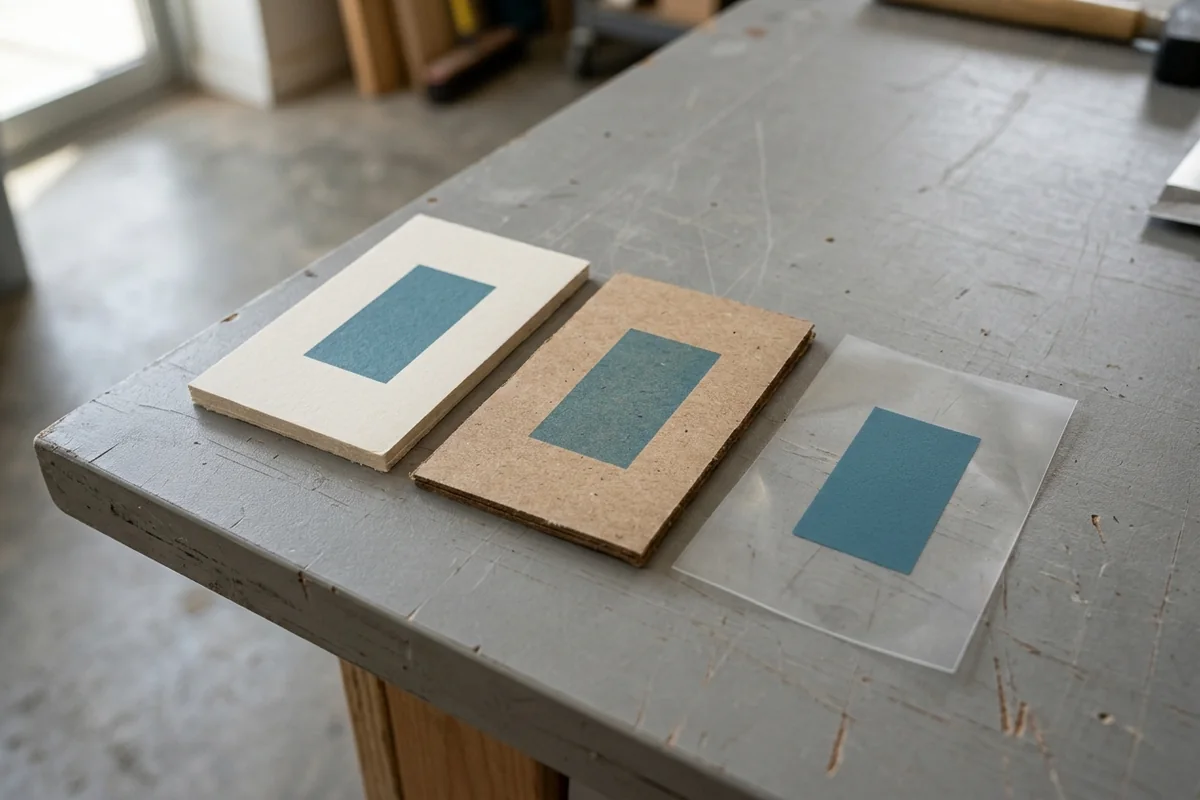
Keep these terms separate when discussing a proof:
For labels, use the paper versus film face-stock guide to separate face material, adhesive and overcoat. A face-stock choice alone does not select the complete label construction.
Preflight checks incoming artwork against production requirements. A dieline is the structural drawing used to locate cuts and folds. Bleed extends artwork beyond a cut edge; the required allowance must come from the job specification rather than a generic number.
The Ghent Workgroup’s packaging work addresses packaging PDF specifications and Processing Steps, which identify production operations such as cutting and folding. This is a reason to distinguish structural information from printable graphics when handing over files; a visible line in a design is not enough to define its production role.
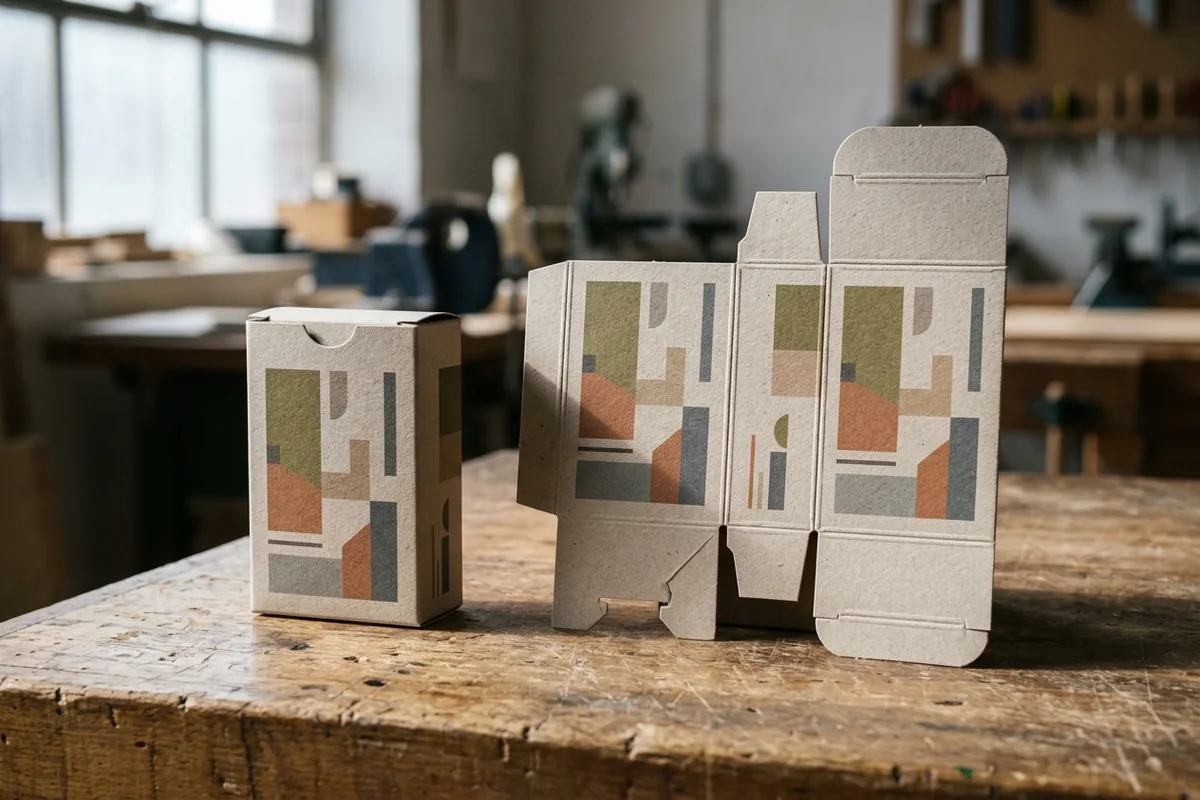
Use the following handover checks as a working list. They combine the cited prepress stages into an editorial checklist; they are not evidence that a particular pack has passed inspection.
| Handover | Check before moving on | Keep as the reference |
|---|---|---|
| Design to prepress | Correct file and dieline revisions; artwork clear of agreed fold and glue areas | Approved artwork and structural drawing |
| Prepress to proof | Separations, fonts, images, bleed and process-specific trapping checked | Preflight result and prepared file |
| Proof to production | Identify whether approval covers content, color, structure or a defined combination | Proof type, approval scope and revision |
| Print to finishing | Confirm the agreed relationship between graphics, cut edges and folds | Finished sample checked against the approved structure |
Esko describes digital soft proofing and hard-copy proofing. Name the proof type and what it is intended to demonstrate. Do not treat a content approval as approval of the folded pack or assume a screen image establishes the final printed color.
Choose the next guide by the unresolved part of the job:
Keep the material name, artwork revision, version quantities, finishing sequence and approval reference together as the job changes. Leave unconfirmed production limits blank until the proposed process and material are evaluated.
Updated October 2026. This is an independent editorial overview based on the primary documents linked beside the relevant claims, accessed on October 15, 2026. Manufacturer pages establish process and workflow examples; their performance claims are not generalized to other equipment. The EPA reference is used for conventional process definitions, not current market statistics or regulatory guidance. No equipment testing, supplier ranking or numerical production limit is claimed.
Compare flexo and offset for the same packaging job: ink transfer, substrate, artwork, finishing, setup, waste and the cost of accepted finished packs.